
This article contains Amazon affiliate links. If you buy through one, Avrontis may earn a commission at no additional cost to you. Product selections are independent. As an Amazon Associate I earn from qualifying purchases.
How this guide was evaluated: This is an evidence-based comparison of two ways to perform cold-water immersion, not a controlled test of a particular tub. No manufacturer sponsored or reviewed this article. The linked portable tub is an independently selected example, and readers should verify current features and suitability before purchasing.
They’re the Same Idea, Different Equipment
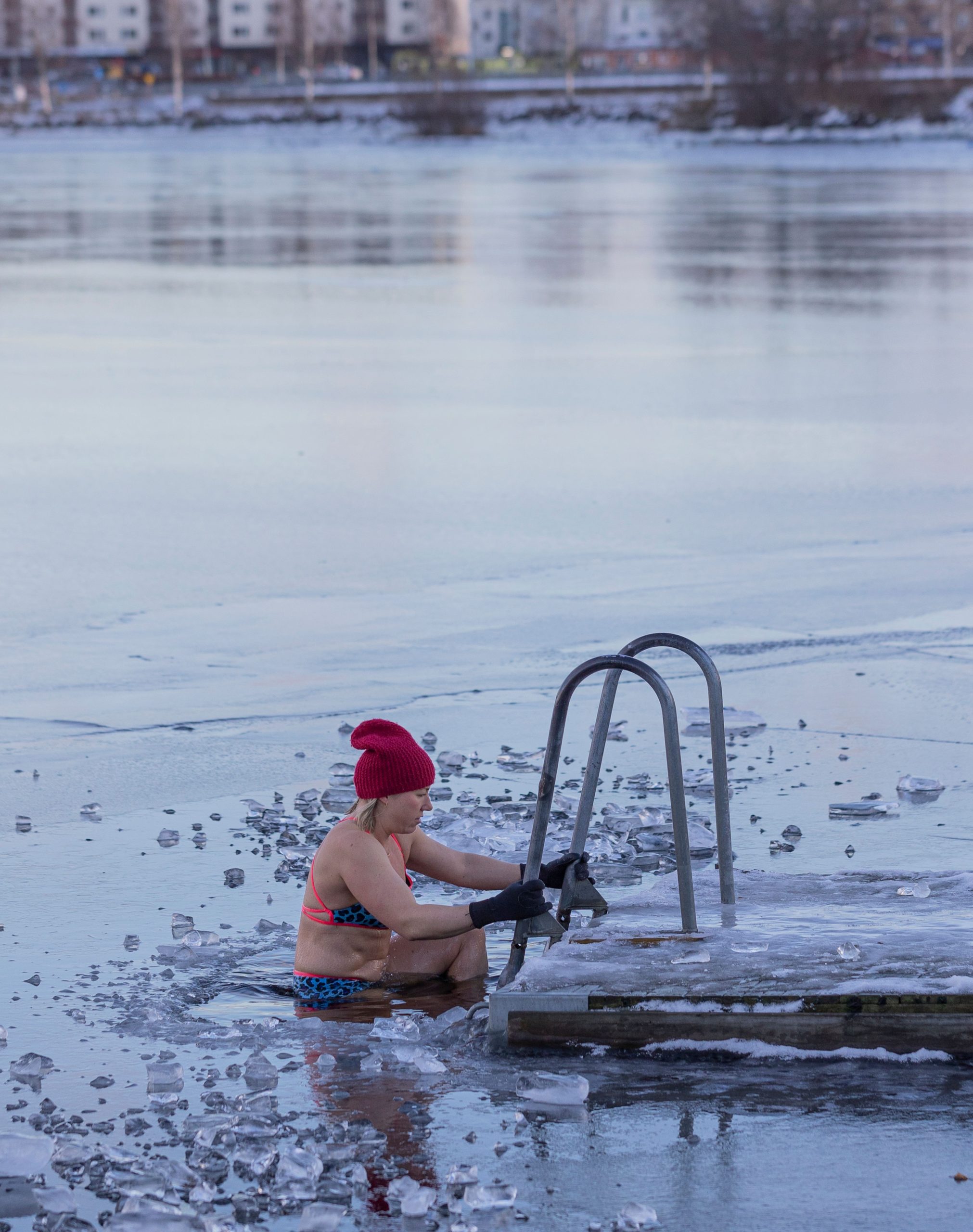
At the core, a cold plunge and an ice bath are doing the exact same thing: submerging your body in cold water to trigger a physiological response. The difference is almost entirely about equipment and convenience, not some fundamentally different mechanism happening inside you. Your body doesn’t know or care whether the cold came from a $6,000 chiller or a $6 bag of ice. An ice bath is exactly what it sounds like: a tub, a bathtub, or a large container filled with cold water and enough ice to bring the temperature down, typically somewhere in the 50-60°F range depending on how generous you were at the ice aisle. It’s the low-cost, DIY version. You’re buying ice regularly, managing the temperature by feel and mild guesswork, and draining and refilling manually like it’s 1997. A cold plunge (sometimes called a cold plunge tub or chiller) is a dedicated unit with a built-in refrigeration system that holds water at a set, consistent temperature without needing ice at all. Punch in a number once, and it just handles it. Some also include filtration, so you’re not constantly refreshing the water like a very cold, very small swimming pool. That convenience is what you’re paying the premium for.What the Cold Is Actually Doing
Cold-water immersion causes an immediate cold-shock response: breathing can become rapid and difficult to control, heart rate and blood pressure rise, and blood vessels near the skin constrict. Those are real physiological effects, but they do not automatically translate into every benefit claimed online.
For exercise recovery, the best-supported benefit is a reduction in perceived muscle soreness, with some studies also finding improvements in selected recovery measures. Results vary with the type of exercise, the temperature, the duration, and when the outcome is measured. A cold plunge is therefore better understood as an optional recovery tool—not a guaranteed way to repair tissue faster.
Claims about a reliable mood, energy, or alertness boost need more caution. A 2025 systematic review found some possible wellbeing effects, but the evidence was limited by small numbers of randomized trials, varied protocols, and uneven study populations. Feeling invigorated after a plunge is a valid personal experience; it is not yet a universal clinical result.
There is also a tradeoff for people training specifically for strength or muscle growth. Repeated cold-water immersion immediately after resistance training may modestly reduce long-term strength adaptation. The available research is not perfectly generalizable—many participants were young men and protocols differed—but routinely plunging right after every lifting session is difficult to justify when maximizing adaptation is the main goal.
Temperature and Time: What Actually Matters
There is no single medically established cold-plunge temperature or duration that is best for everyone. Research protocols often use water at or below 59°F (15°C), but the studies vary widely and were designed for specific outcomes—not as universal instructions for home users.
A 2025 network meta-analysis found that protocols lasting 10 to 15 minutes at 52–59°F (11–15°C) performed best for muscle soreness within the studies it compared. That finding describes a research average; it should not be treated as a personal prescription, especially for a beginner or anyone with health risks.
Colder and longer are not automatically better. Both increase cold stress and the potential for loss of coordination, hypothermia, and cardiovascular strain. If a qualified healthcare professional says immersion is appropriate for you, use a conservative, controllable setup with an easy exit rather than chasing an extreme temperature or endurance goal.
Which One Actually Makes Sense for You
If you’re new to cold exposure, an ice bath is the lower-risk, lower-commitment way to find out whether you actually like this or were just charmed by someone else’s Instagram grimace. A cooler, a bag of ice, and a kitchen thermometer is a perfectly legitimate way to start, no matter what the ads imply. If you want a purpose-built portable tub without paying for a powered chiller, the Cold Pod 85-gallon portable ice bath is one independently selected example. A dedicated cold plunge earns its cost mainly through convenience and consistency: no ice runs, no guesswork, a routine that’s easier to actually stick with because the friction is lower. If you already know you’ll use it regularly, that convenience is a real factor in whether the habit survives past the first excited month, which, let’s be honest, is where most home gym equipment goes to become a very expensive coat rack.A Word of Caution
Cold-water immersion is not risk-free. Sudden immersion can trigger involuntary gasping and hyperventilation while rapidly increasing heart rate and blood pressure. It can also increase arrhythmia and drowning risk, impair coordination, and eventually cause hypothermia.
Talk with a qualified healthcare professional before trying a plunge if you have a history of heart disease, an arrhythmia, poorly controlled high blood pressure, fainting, or another condition affecting circulation or your response to cold. Research on cold immersion often excludes people with cardiovascular conditions, so benefits observed in healthy participants should not be assumed to apply to higher-risk users.
Do not plunge alone, do not begin by submerging your head, and make sure you can exit without relying on cold, slippery hands. Stop immediately for chest pain, faintness, confusion, severe breathing difficulty, loss of coordination, or uncontrollable shivering. A recovery routine is never worth trying to “push through” a warning sign.
Where to Start
If you are medically cleared and still curious, reduce the stakes before buying equipment. A brief cool shower lets you learn how your breathing and comfort respond without the same immersion and exit hazards as a tub. A shower is not identical to a plunge and should not be expected to produce identical effects, but it is a more cautious way to decide whether deliberate cold exposure belongs in your routine.
If you later consider an ice bath or powered plunge, use a reliable thermometer, an easy way to get out, and another person nearby. Choose the setup for convenience and safe temperature control—not because a manufacturer promises that colder water produces more recovery.
Cold therapy pairs well with other recovery basics, too — compression gear after a hard session, or a percussion massage gun for lingering soreness. It’s never too late to try something new for your recovery. Just start where the friction is lowest, and let your own results, not someone else’s tub, tell you whether it’s worth the upgrade.Sources and Method Notes
- 2025 systematic review of cold-water immersion and health and wellbeing
- Systematic review and meta-analysis of post-exercise performance recovery
- Meta-analysis of cold immersion and resistance-training strength gains
- 2025 network meta-analysis of temperature and duration protocols
- Systematic review of the cold-shock response
- American Heart Association overview of cold-water risks
2 thoughts on “Cold Plunge vs. Ice Bath: What’s Actually the Difference?”